




Cataract Surgery

At Dr. Daljit Singh Eye Hospital, we are equipped with the latest state-of-the-art diagnostic and surgical technology to provide the highest standard of care in cataract management. From initial assessment to advanced surgical intervention, our facility houses some of the most advanced equipment used globally in modern ophthalmology.
- Carl Zeiss IOL Master 700 Laser Interferometer – for precise biometry and intraocular lens calculations
- Alcon Centurion Vision System
- Alcon Infiniti System
- Bausch & Lomb Stellaris System
- Operating microscopes from world leaders: Möller-Wedel, Haag-Streit, Leica, and Carl Zeiss
- Traumatic Cataracts (Ruptured or Dislocated)
- Posterior Polar Cataracts
- Hard Black Cataracts
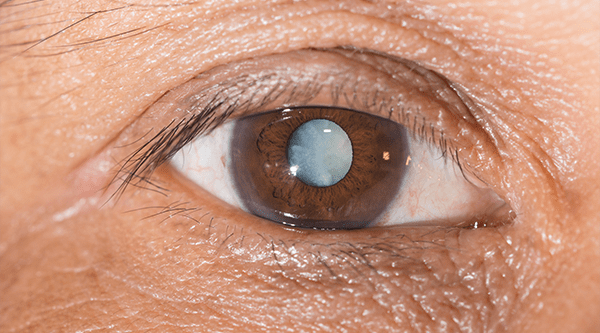
Understanding Cataract
What Leads to the Development of Cataracts?
- 1. Diabetes: People with diabetes often develop cataracts earlier than others.
- 2. Poor nutrition: Lack of essential nutrients can affect the health of the eye's lens.
- 3. Long-term use of steroid medications: Especially when taken over extended periods.
- 4. Eye injuries: Both blunt trauma and injuries from sharp objects can trigger cataract formation.
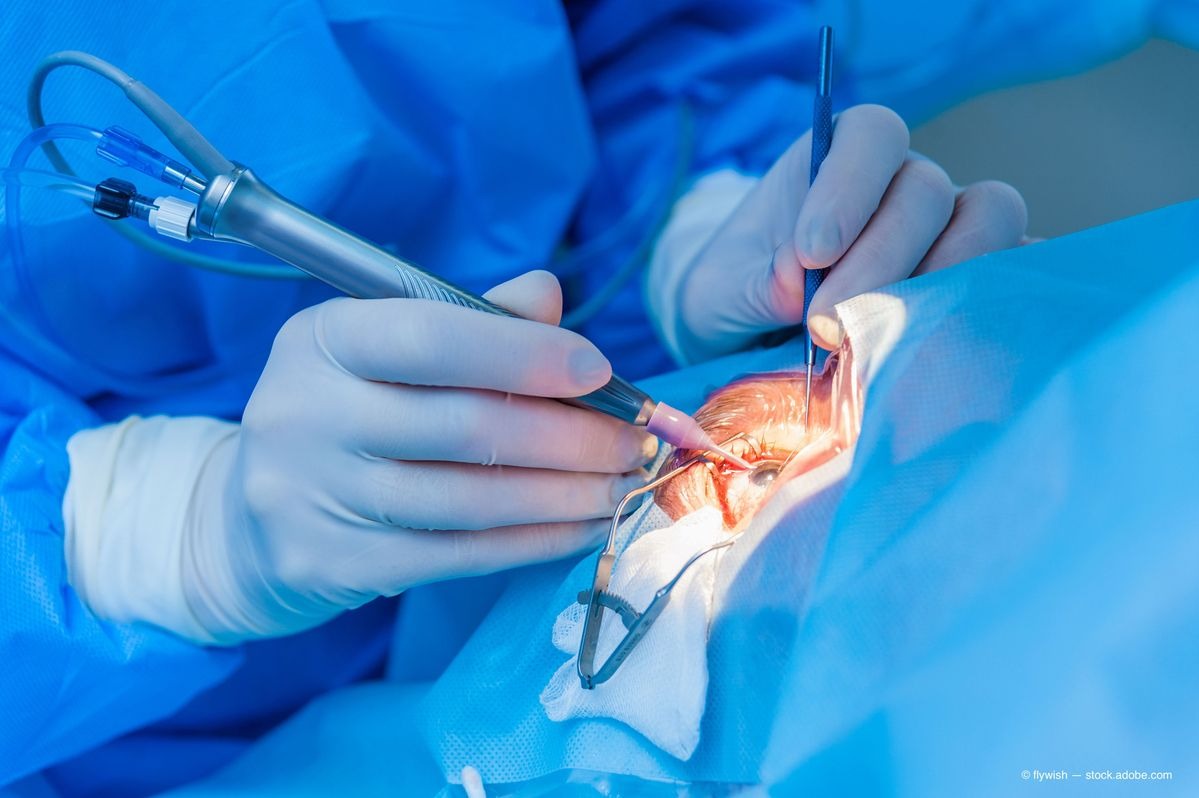
How is Cataract Treated?
Why is an Artificial Lens Implanted After Cataract Surgery in Amritsar?
Cataract develops in the eye’s natural lens, causing it to become cloudy and non-functional. Since the cloudy lens must be surgically removed, it is essential to replace it with an artificial intraocular lens (IOL) of precisely calculated power to restore clear and focused vision.
What Types of Intraocular Lenses (IOLs) Can Be Implanted?
Following are the types of lenses available
Monofocal Lenses
Multifocal Lenses
Toric Lenses
Extended Depth of Focus (EDOF) Lenses
Iris-Claw Lenses / Scleral Fixated Lenses
Scleral Fixated Intraocular Lenses
Scleral-fixated intraocular lenses are used when the eye’s natural support structures, like the lens capsule, are damaged or absent, making regular lens placement not possible.
Will I Need Glasses After Cataract Surgery in Amritsar?
- With monofocal and monofocal toric lenses, glasses for near vision (such as reading) are almost always necessary.
- Trifocal lenses are designed to provide vision at near, intermediate, and far distances, significantly reducing the need for glasses for most daily activities.
- Extended Depth of Focus (EDOF) lenses offer clear vision for distance and intermediate ranges, but fine near tasks—like reading small print—may still require glasses.