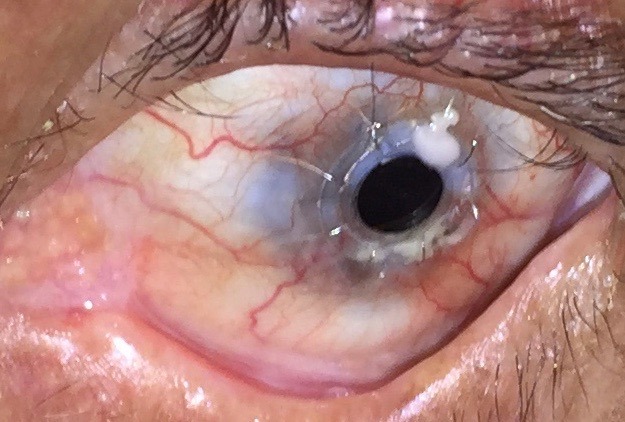
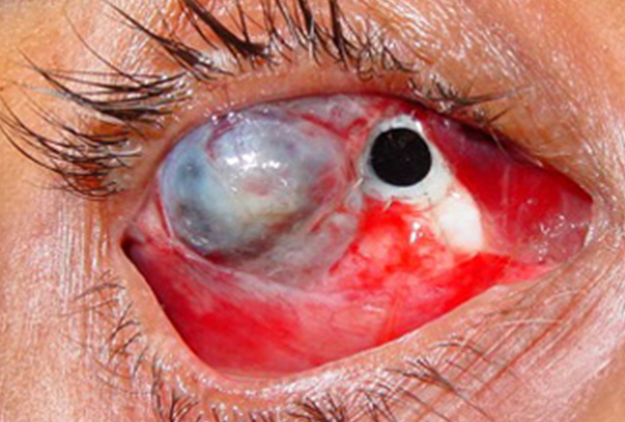
Keratoprosthesis refers to the implantation of an artificial cornea in patients whose vision is severely impaired due to a cloudy or scarred cornea, especially when traditional corneal transplant (grafting) is not a viable option. This synthetic device helps restore vision in cases where natural corneal tissue cannot be used, offering hope to those previously considered untreatable.
It is particularly useful in patients with multiple failed corneal grafts, severe ocular surface disorders, burns, or autoimmune diseases that prevent the success of standard transplants. The artificial cornea is designed to integrate with the eye’s natural tissue, allowing light to pass through clearly and reach the retina.
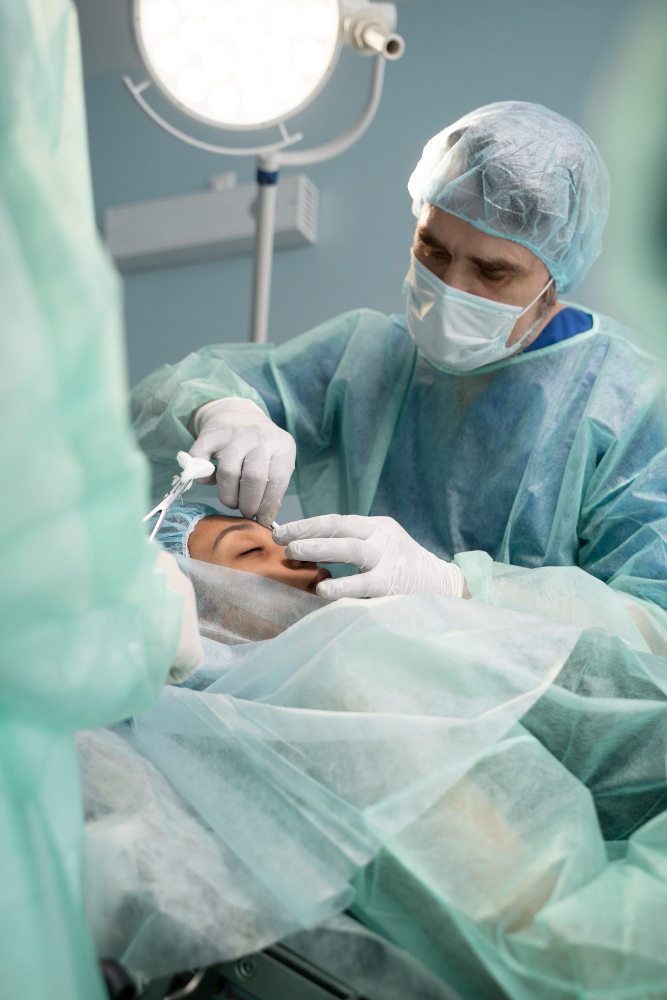
Keratoprosthesis surgery is a highly specialized procedure that requires careful evaluation, meticulous surgical planning, and long-term follow-up care. Post-surgery, patients are monitored regularly to ensure the device remains functional and complications such as infection, glaucoma, or retinal detachment are managed promptly.