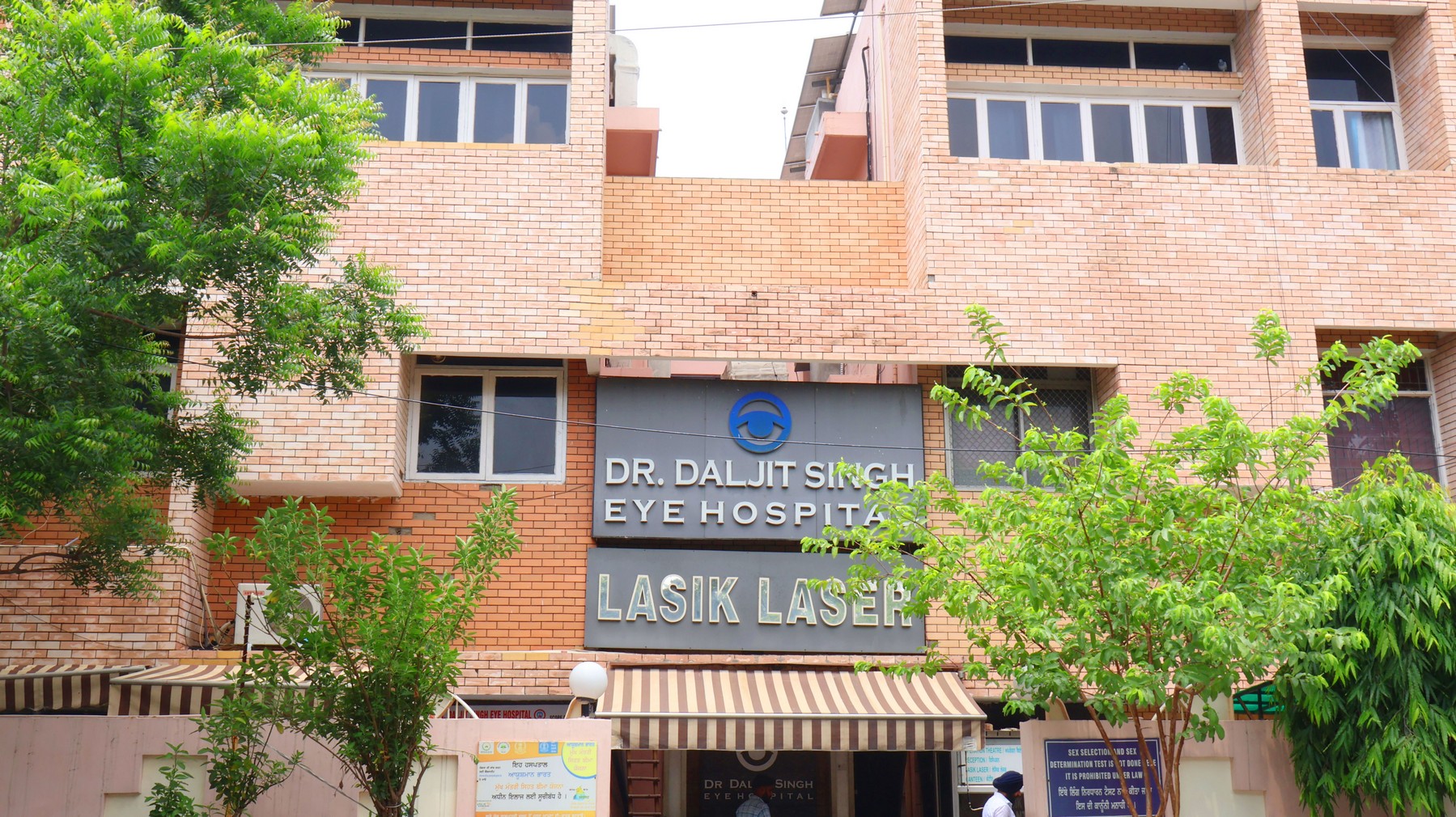


Dr. Daljit Singh Eye Hospital

Section

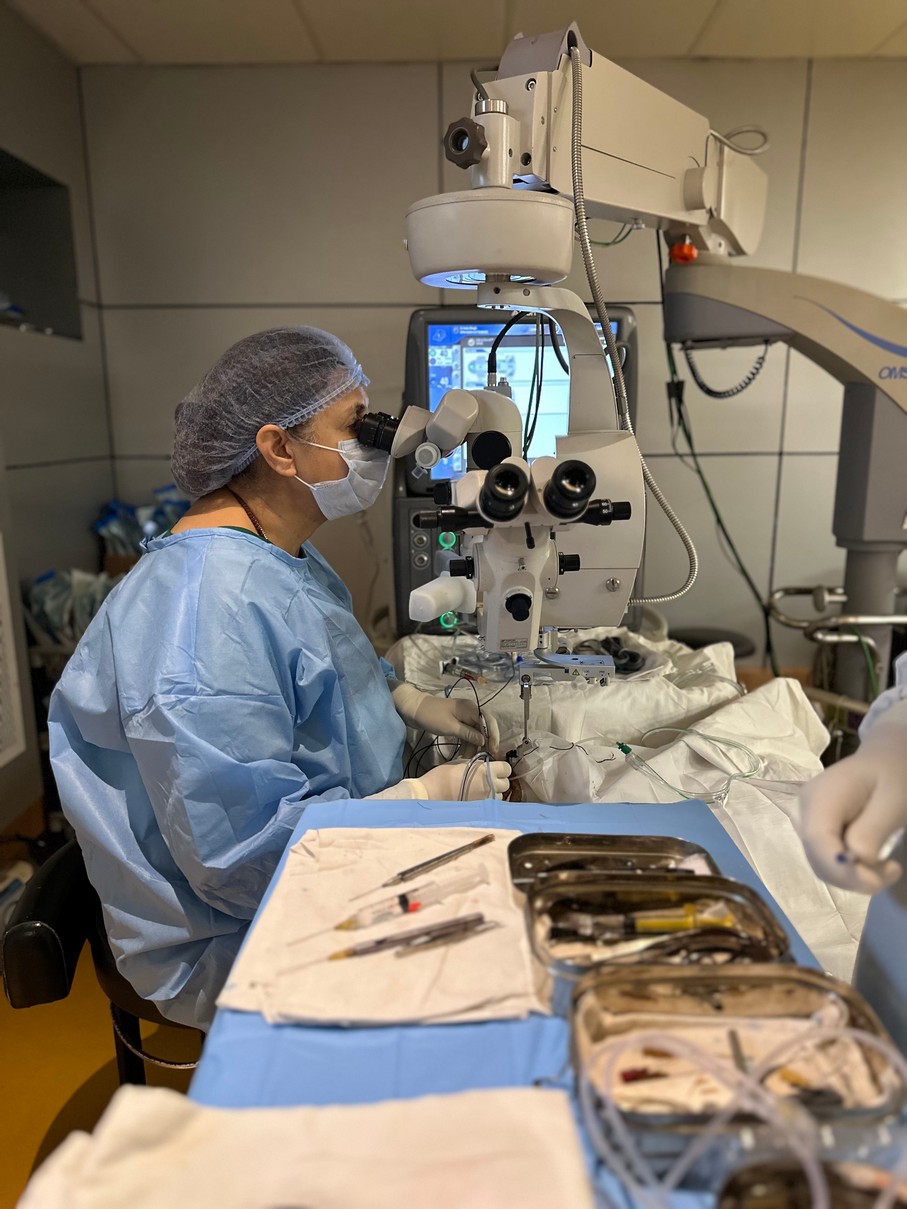
Dr. Daljit Singh Eye Hospital has been a trailblazer in Cataract Surgery and Lens Implantation in India. In 1976, Dr. Daljit Singh performed one of the country’s first lens implantations, marking a historic milestone in Indian ophthalmology. Over the decades, as medical science and technology have evolved, the hospital has continued to lead the way in advanced cataract treatment. Today, we specialize in Phacoemulsification and the implantation of foldable intraocular lenses (IOLs)—offering a wide range of lens options tailored to meet the unique needs of each patient and clinical condition.
Dr. Daljit Singh Eye Hospital has been a leader in the diagnosis and treatment of Diabetic Eye Disease for over 30 years, consistently working to prevent vision loss caused by diabetes. With decades of experience, the hospital remains deeply committed to safeguarding sight through early detection, advanced technology, and comprehensive care. Our team of specialists is highly trained in managing even the most complex diabetic eye conditions with precision and compassion. Regular screenings, timely interventions, and personalized treatment plans form the foundation of our patient-centered approach.
Experience the future of laser vision correction with Femto Contoura Vision LASIK — the most advanced, precise, and customized form of LASIK surgery available today. At Dr. Daljit Singh Eye Hospital, Amritsar, we combine cutting-edge FS-200 Femtosecond Laser technology with the EX-500 Excimer Laser System to deliver sharper, clearer vision tailored uniquely to your eyes.
GLAUCOMA (also known as Kala Motia in Hindi, Jhaamar in Gujarati, and Kanchia Motia Bind) This condition earned the name “Kala Motia” because it can cause vision to fade to darkness if left untreated. It is often called the “silent thief of sight” as it can progress without noticeable symptoms until significant vision is lost. Glaucoma primarily damages the optic nerve due to increased pressure inside the eye, and if not diagnosed and treated early, the vision loss is irreversible. Regular eye check-ups are essential for early detection and preserving eyesight.

Understanding Presbyopia

People with healthy eyes can naturally see both distant and nearby objects clearly. However, as we reach around 40 years of age, it becomes harder to focus on close objects—a condition known as presbyopia. The exact cause of presbyopia remains somewhat unclear, largely because the mechanism by which the eye focuses up close is not yet fully understood.
At Dr. Daljit Singh Eye Hospital, we are committed to offering advanced care for Dry Eye Disease with the latest diagnostic and treatment technologies. Our facility is equipped with globally acclaimed systems such as Lipiview and Lipiflow by Johnson & Johnson, which allow for precise evaluation and targeted treatment of Meibomian Gland Dysfunction—a major cause of dry eyes Our approach begins with a comprehensive diagnosis to understand the underlying cause and severity of the condition. We take time to educate patients about their symptoms, helping them understand why they experience discomfort and how it can be managed.
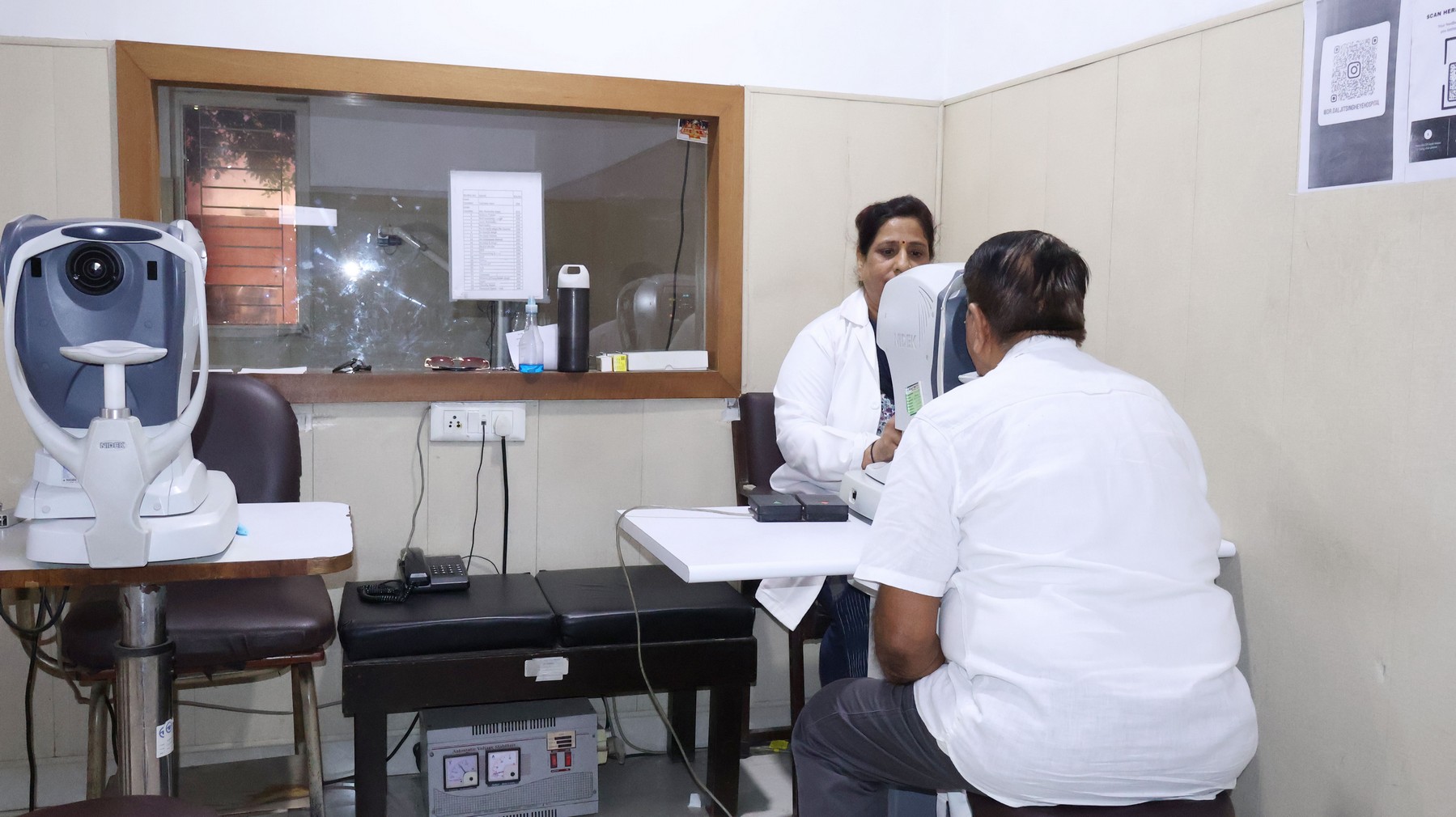
Dr. Daljit Singh Eye Hospital has a long-standing experience in diagnosing and treating Keratoconus, a progressive eye condition. Our advanced diagnostic tools—Nidek OPD Scan III, Oculus Pentacam, and Corneal OCT imaging—help us detect even early signs of keratoconus. Our Contact Lens department plays a key role in evaluating the visual potential of patients. Once diagnosed, we provide detailed counselling to both the patient and their family to explain the condition and outline a personalized treatment plan. Treating keratoconus is a gradual and ongoing process, and we strive to offer the highest standard of care throughout.
Dr. Daljit Singh Eye Hospital is among the select few centers in the country with extensive experience in managing Ptosis—a condition where the upper eyelid droops abnormally. We have successfully treated patients across all age groups over the years. Each Ptosis case is carefully evaluated to determine the severity, underlying cause, and appropriate course of action. A thorough clinical assessment helps us categorize the condition and tailor the treatment accordingly. Before proceeding with surgery, we ensure that the condition and its management are clearly explained to the patient and their family.

Retina & Vitreous Center

The retina and vitreous make up the inner back portion of the eye. Light enters through the front structures—the cornea and lens—then travels through the clear gel-like vitreous before focusing on the retina. Any condition that impacts the health or structure of the vitreous or retina can significantly affect vision.

What is Squint?

A squint, also known as strabismus, is a condition where the eyes do not align properly. Instead of both eyes looking at the same object together, one eye may turn inwards, outwards, upwards, or downwards, while the other eye remains focused straight ahead. This misalignment can be constant or occasional, and it may affect one or both eyes. Squint is commonly seen in children but can occur at any age.

What is Amblyopia (Lazy Eye)?

Amblyopia, commonly known as “lazy eye,” is a condition where one or both eyes do not develop proper vision because the brain favors one eye over the other. Despite appearing normal, the affected eye has reduced vision due to lack of use during early development. This condition typically develops in early childhood and can lead to permanent vision loss if left untreated. Early detection and prompt treatment are crucial to ensure healthy visual development.
Dr. Daljit Singh Eye Hospital holds the distinction of being one of the pioneering centers in India to perform Keratoprosthesis (artificial cornea) implantation for patients suffering from corneal blindness. With over three decades of expertise in this advanced surgical procedure, our hospital has become a trusted destination for both Indian and international patients. Individuals from countries such as Nigeria, Tanzania, Bangladesh, and Pakistan have traveled to our facility to benefit from this transformative treatment.
Myopia, commonly referred to as nearsightedness, is a vision condition where individuals experience difficulty in seeing objects that are far away. This means that distant objects appear blurry or out of focus, while nearby objects can still be seen clearly. The issue arises because the light entering the eye focuses in front of the retina instead of directly on it, usually due to the eyeball being longer than normal or the cornea having too much curvature. As a result, tasks such as reading signs from a distance, seeing the board in a classroom, or recognizing faces from afar can become challenging without corrective lenses like glasses or contact lenses.
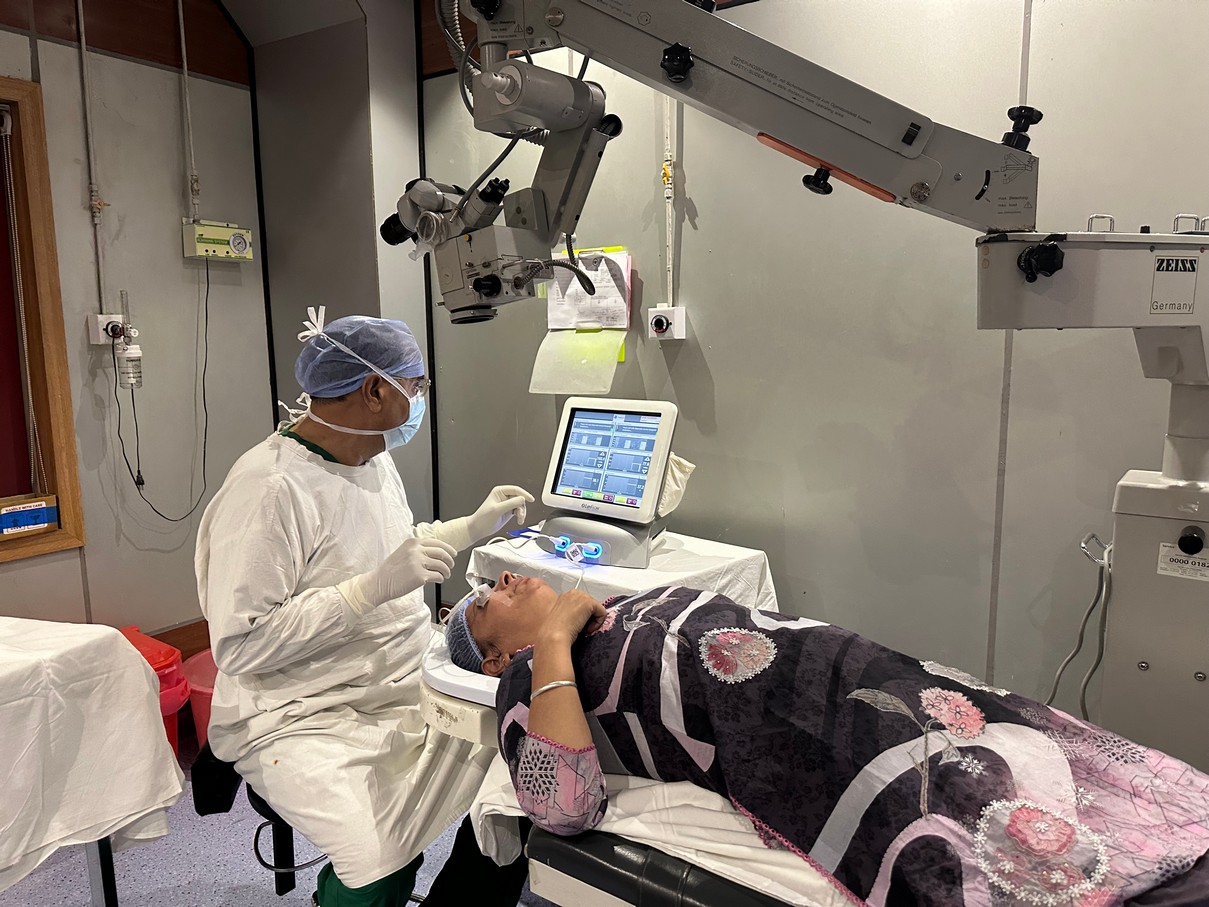
YAG Laser (short for Yttrium-Aluminum-Garnet laser) is a specialized laser treatment widely used in ophthalmology. It is a safe, painless, and non-invasive outpatient procedure primarily performed to treat conditions involving the lens capsule, particularly after cataract surgery. After cataract removal, an artificial intraocular lens (IOL) is implanted in the eye. Over time, in some patients, a thin membrane behind the lens, called the posterior capsule, may become cloudy. This condition, known as Posterior Capsule Opacification (PCO) or “secondary cataract,” can cause blurred or hazy vision, glare, and difficulty reading or seeing clearly.
Dr. Daljit Singh Eye Hospital is proudly affiliated with a wide range of insurance providers and government health schemes, offering cashless medical services to the majority of insured patients. This ensures hassle-free access to high-quality eye care without the burden of upfront payments. Our dedicated insurance team works closely with patients and insurers to facilitate smooth approvals and timely treatments. Below is a summary of our current insurance affiliations along with key information for those planning treatment under these plans.
At Dr. Daljit Singh Eye Hospital, we believe in providing transparent and patient-friendly information regarding treatment costs. Below is a general overview of the fee structure for some of the commonly performed procedures at our hospital. Please note that these charges are indicative and may vary depending on the specific condition of the patient, the complexity of the case, the choice of surgical technique, diagnostic requirements, and any additional treatments that may be needed. A detailed estimate will be provided after clinical examination and consultation with our eye specialists.
At Dr. Daljit Singh Eye Hospital, we are committed to delivering the highest quality of eye care through advanced diagnostics, experienced specialists, and patient-centered services. This section offers comprehensive insights into our hospital’s procedures, treatment options, diagnostic tools, and the wide range of services available to our patients. Whether you are visiting us for a routine eye examination, a specialized treatment, or a complex surgical procedure, our team is here to guide you every step of the way.
To ensure a smooth and timely experience at Dr. Daljit Singh Eye Hospital, we recommend scheduling an appointment in advance. Appointments help reduce waiting time and allow us to allocate adequate consultation time for each patient. You can book your appointment by calling our reception desk or through our official website. While walk-in patients are also welcome, priority is given to those with prior appointments. For specialized consultations or procedures, advance booking is especially encouraged. Please bring your previous medical records, prescriptions, and ID proof when visiting the hospital.
Indian Railways -Train Schedule Please click HERE

Recommended Travel Agent

Patients with fixed appointments should enter the registration hall and proceed to a counter which says "Appointments" .

Show the appointment SMS received on your registered mobile number to the Receptionist.
The receptionist will confirm your appointment , register you on the Hospital system computer and affix appointment sticker on your OPD card . After that you will be directed to Room No.1 , where your detailed history will be taken . After that your preliminary tests will be ordered. After the basic investigations, you will then be directed to meet the Specialist Eye Surgeon who will give you his/her expert opinion.
The Specialist may order more investigations as required.
If it is decided that you are going to need a surgery , your laboratory tests will be carried out and your ECG , Blood Pressure and Blood Sugar testing will be done.
Any patient who is not found to be medically fit , shall be referred to a physician who will treat the patient and try to get him fit for surgery.

Consultation is strictly by appointment .

Please fix an appointment online by pressing the " Book Online Appointment" button on this page .
Choose the Doctor from the list , a date and time of your convenience and fill in the relevant details in the form which will appear.
In case you want to change your appointment , you may simply choose another date and time and fix up a new appointment.
Consultation Days : Monday , Tuesday , Wednesday , Thursday , Friday , Saturday
Surgery Days : Monday , Tuesday ,Wednesday ,Thursday and Friday.
When you enter the hospital , your body temperature will be checked by an infrared thermometer. If you are not wearing a mask , you will be given a new mask at he hospital reception entrance and your hands will be sanitized. All patients undergoing Retina surgery and also all patients undergoing surgery under General Anaesthesia must get their COVID test.
Information Update : Dated 22nd August 2021.
OPD Timings : 9.30 AM to 06:00 PM
HOSPITAL REMAINS CLOSED ALL SUNDAYS

Reaching the Hospital

Commuting to the hospital from the Railway Station:

Hospital is just 2 Km from the Railway Station. You may commute to the hospital by OLA Cab.
Please download the App of “OLA” in your smartphone

Commuting to the hospital from the Airport :

Hospital is 13 Km from the Airport . You may take a prepaid taxi from the Airport to the hospital or alse hail an “OLA” Cab

Online Appointment Guide

Select your doctor based on the treatment you require:

Guidelines After Booking an Online Appointment

Please go through the following details carefully to understand the steps you will follow upon arriving at the hospital.

No, a confirmation SMS on your registered mobile is proof that your appointment has been successfully booked. No phone call is required.

The system does not allow changes or cancellations. However, you can book a new appointment for your preferred date and time.

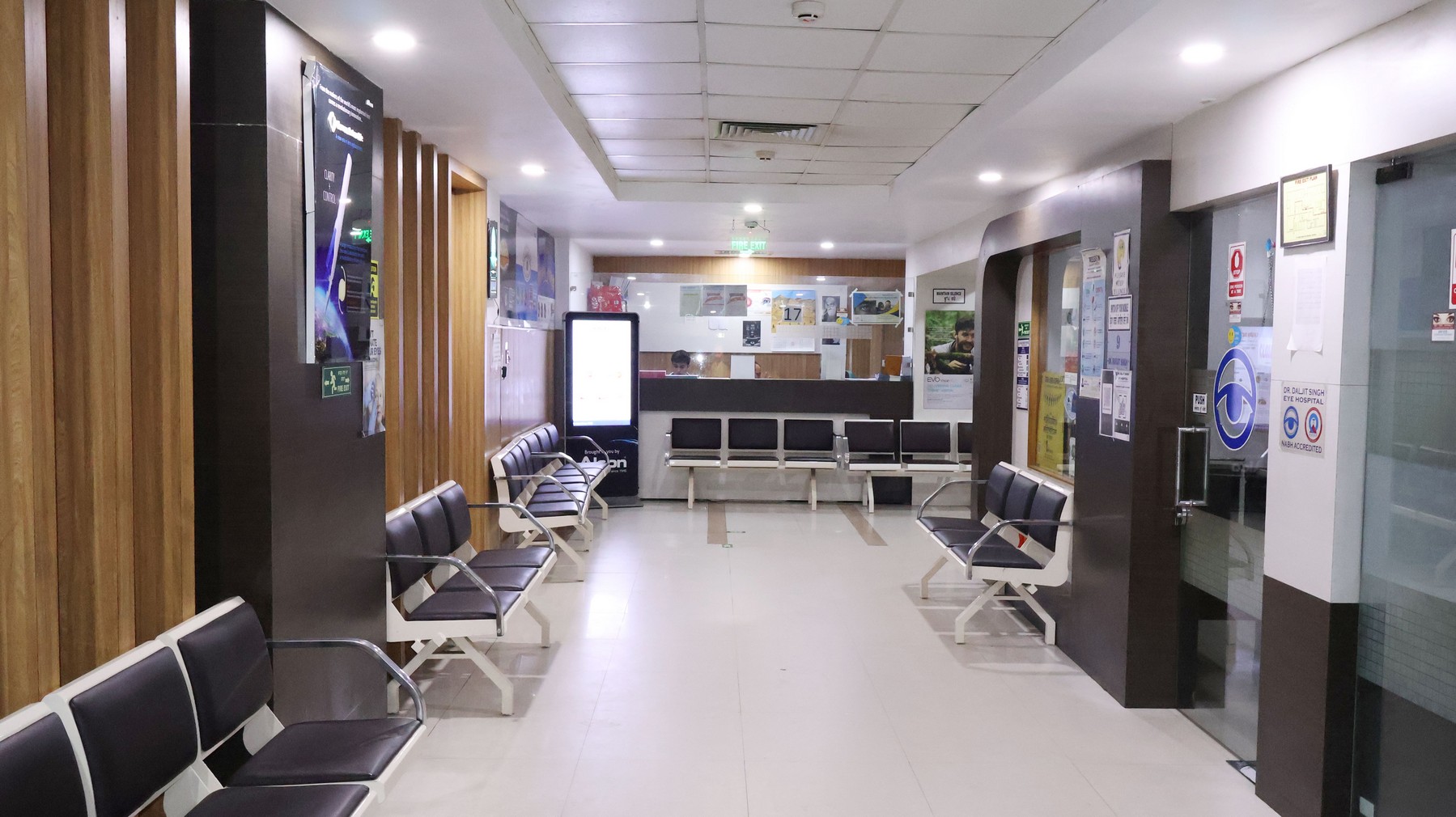
Head to the reception hall where registrations for new patients are carried out.

Show the confirmation SMS to the receptionist. Your details are already in the system. Pay the required consultation fee, and you’ll be guided through the next steps.

Not immediately. First, optometrists will conduct a detailed pre-examination, which may include checking vision, eye pressure, and other necessary tests based on your condition. Then, you’ll be referred to the relevant specialist.

It can take anywhere from 30 minutes to 3 hours depending on your eye condition. Occasionally, tests may be completed the following day.

Online appointments are only for eye testing/consultation. Surgery is scheduled later through the counseling team once a decision has been made by the doctor.

Both new and existing patients. New patients must fill out all required fields, while existing patients can just enter their patient ID (found on your previous OPD/Discharge card) and the rest will be auto-filled.

Please bring your previous reports when visiting the hospital. It’s helpful to carry photocopies for our records.

No, walk-ins and emergencies are always welcome. However, booking an appointment helps us serve you better and reduces waiting time.
Scroll to Top